
What Should I Know Before Choosing Under Cabinet Lighting?
Under cabinet lighting has become a popular feature in modern kitchen design because it improves both functionality and aesthetics. By illuminating the countertop area, this type of lighting makes food preparation easier while also enhancing the overall look of the kitchen. Many homeowners consider under cabinet lighting during kitchen renovations because it adds both convenience and visual appeal.
However, selecting the right type of under cabinet lighting involves more than simply choosing a light fixture. Factors such as brightness, color temperature, installation method, and energy efficiency all influence how well the lighting performs. Understanding these elements helps ensure that the lighting enhances the kitchen rather than creating glare or uneven illumination.
Quick Answer: Before choosing under cabinet lighting, consider the type of lighting technology, brightness level, color temperature, installation style, and energy efficiency to ensure the lighting improves visibility and complements the kitchen design.
Types of Under Cabinet Lighting
There are several types of lighting commonly used under cabinets. Each option provides different benefits depending on the kitchen layout and lighting needs.
LED strip lights are one of the most popular options because they are energy efficient and provide even illumination across the entire countertop.
Puck lights are small circular lights that create focused pools of light. These are often used to highlight specific areas.
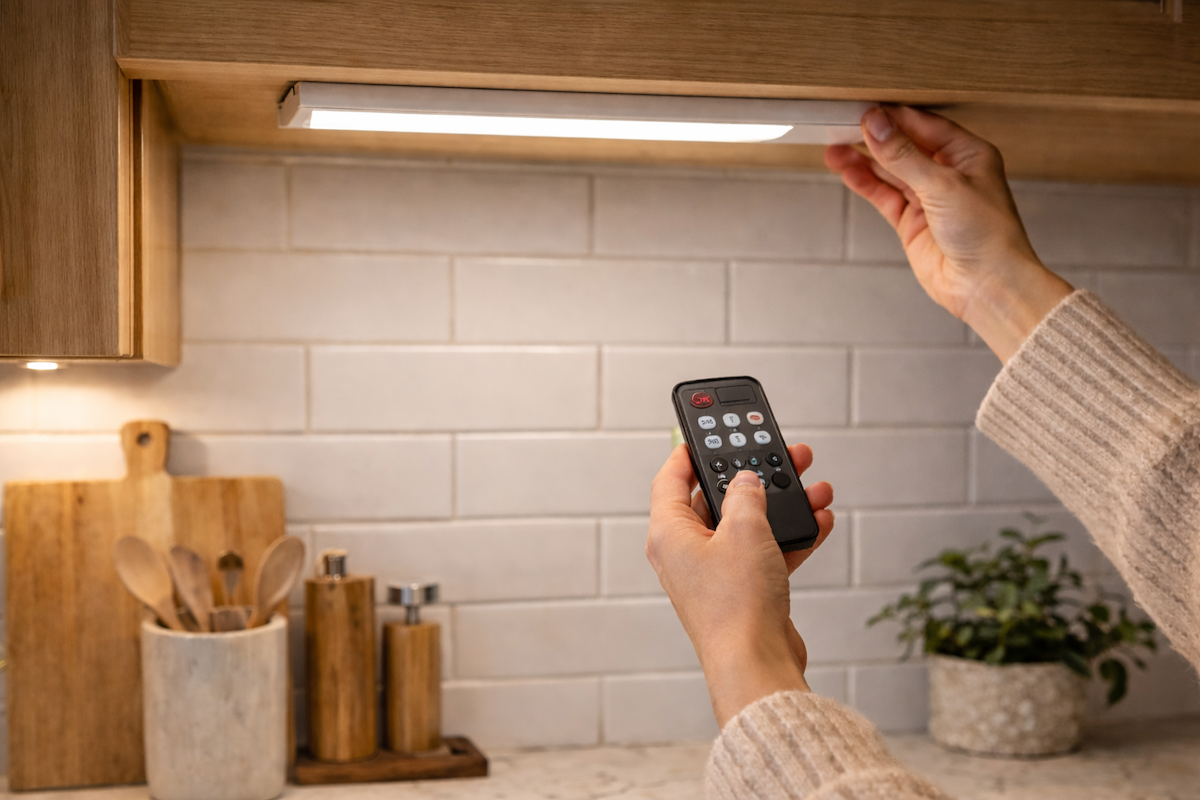
Linear light bars provide consistent lighting and are often easier to install for homeowners seeking a simple solution.
Choosing the right type depends on whether you want broad lighting coverage or more decorative accent lighting.
Brightness and Light Output
Brightness plays an important role in how effective under cabinet lighting will be. If the lighting is too dim, it may not provide enough visibility for cooking tasks. If it is too bright, it may create glare on countertops.
Brightness is typically measured in lumens. For kitchen workspaces, moderate brightness levels often provide the best balance between functionality and comfort.
Proper placement of the lighting also helps ensure even illumination across the countertop surface.
Choosing the Right Color Temperature
Color temperature affects the tone of the light produced by the fixture. It is measured in Kelvin and ranges from warm tones to cooler daylight tones.
Warm white lighting creates a cozy atmosphere and is often used in kitchens designed for comfort and ambiance.
Neutral white lighting is commonly used for task lighting because it provides clear visibility without appearing too harsh.
Cool white lighting can make a space feel brighter but may appear too clinical for some kitchen designs.
Selecting the right color temperature helps ensure the lighting matches the overall style of the kitchen.
Installation Options to Consider
Under cabinet lighting can be installed in several different ways depending on the design of the kitchen and the homeowner’s preferences.
Hardwired lighting systems are installed directly into the home’s electrical system and provide a seamless appearance.
Plug in systems are easier to install and are often used in kitchens where electrical modifications are not desired.
Battery operated options are also available and can be useful for temporary or rental situations.
Each installation type offers different levels of convenience and permanence.
Energy Efficiency and Long Term Performance
Energy efficiency is an important factor when selecting lighting for any part of the home. LED lighting has become the preferred option because it consumes less energy while producing strong illumination.
LED lights also last significantly longer than traditional bulbs. This reduces maintenance and replacement costs over time.
Choosing energy efficient lighting not only benefits the homeowner but also supports environmentally responsible design choices.
Frequently Asked Questions
Is under cabinet lighting necessary in a kitchen?
While not strictly necessary, under cabinet lighting greatly improves countertop visibility and enhances the overall design of the kitchen. It is especially helpful for food preparation areas.
Are LED lights best for under cabinet lighting?
Yes, LED lights are widely considered the best option because they are energy efficient, long lasting, and available in many brightness levels and color temperatures.
Can under cabinet lighting be installed without wiring?
Yes, plug in and battery operated options allow homeowners to add under cabinet lighting without modifying electrical wiring.
Does under cabinet lighting increase home value?
Modern lighting upgrades can enhance the appearance and functionality of a kitchen, which may contribute to a more appealing home for potential buyers.
Conclusion
Under cabinet lighting is a practical upgrade that enhances both the functionality and appearance of a kitchen. By selecting the right lighting type, brightness level, color temperature, and installation method, homeowners can create a well illuminated workspace that complements the overall design.
For homeowners planning kitchen upgrades, Kitchen Discounters offers expert guidance and quality cabinetry solutions that help create kitchens designed for both beauty and everyday use.